What Is an Eye Slip Hook and How Is It Used?
An eye slip hook is a versatile and essential piece of rigging and load-securing hardware, widely used in transportation, construction, agriculture, towing, and industrial applications. Combining the convenience of a slip hook with the secure attachment of an integrated eye, this rugged component offers both flexibility and strength for a wide range of heavy-duty tasks.
What Is an Eye Slip Hook?
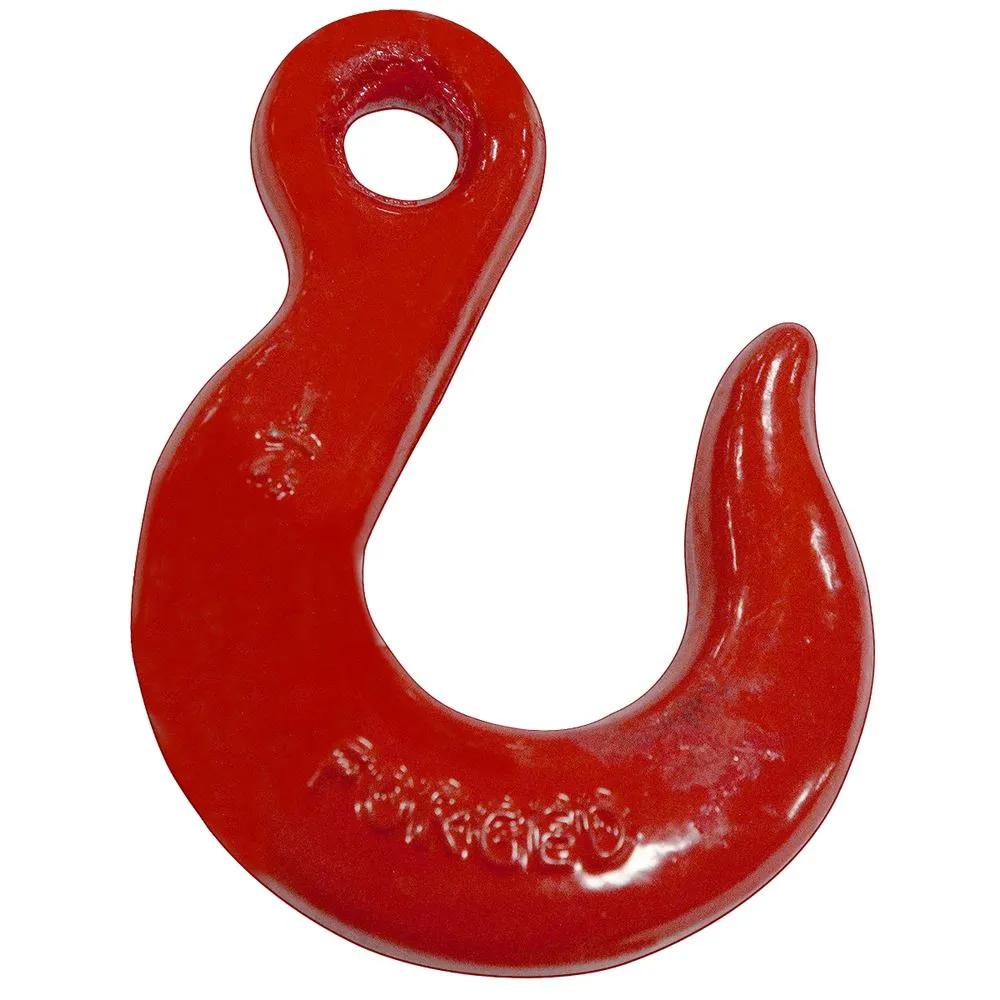
An eye slip hook is a single forged metal piece featuring two key elements:
- The Slip Hook End: An open-throated hook that allows a chain or rope to slide through it easily. Unlike fixed hooks, the “slip” design enables quick adjustment and tensioning without needing to disconnect the entire system.
- The Eye End: A closed loop (or “eye”) at the opposite end, used to connect to anchor points such as D-rings, shackles, trailer frames, or lifting equipment.
Typically made from high-strength carbon or alloy steel—and often heat-treated for durability—eye slip hooks are built to withstand heavy loads and harsh conditions. They are commonly stamped with a Working Load Limit (WLL) to ensure safe usage.
How Does an Eye Slip Hook Work?
The eye slip hook operates on a simple yet effective principle:
- Chain Threading: The transport chain is passed through the open throat of the hook, allowing it to slide freely.
- Tension Application: When the chain is tightened—using a ratchet binder, lever binder, or winch—the load pulls the chain against the inner curve (bowl) of the hook.
- Self-Seating Action: Under tension, the chain naturally settles into the hook’s bowl, creating a secure hold. The greater the load, the tighter the chain grips the hook—preventing accidental slippage during transit.
- Anchor Connection: The eye end is attached to a fixed point (like a trailer’s tie-down ring) using a shackle, bolt, or pin, completing the secure load path: anchor → eye → hook → chain → cargo.
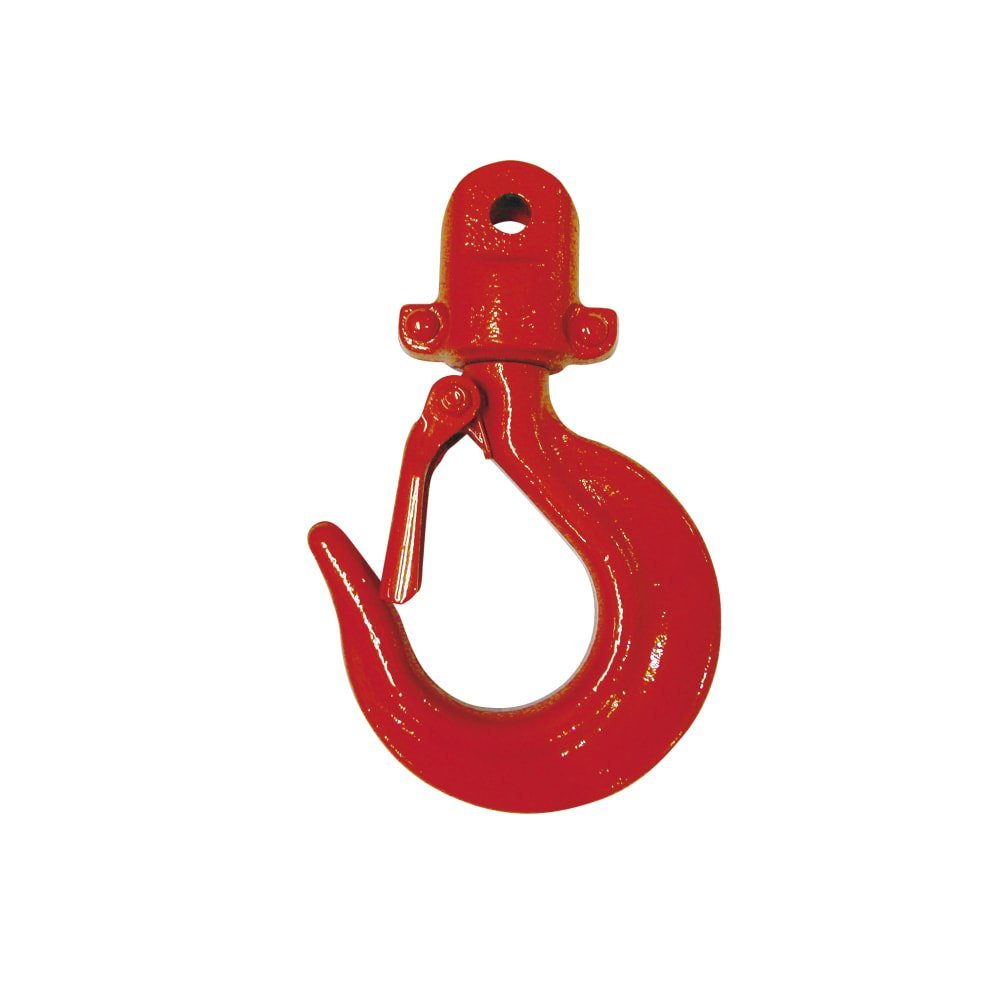
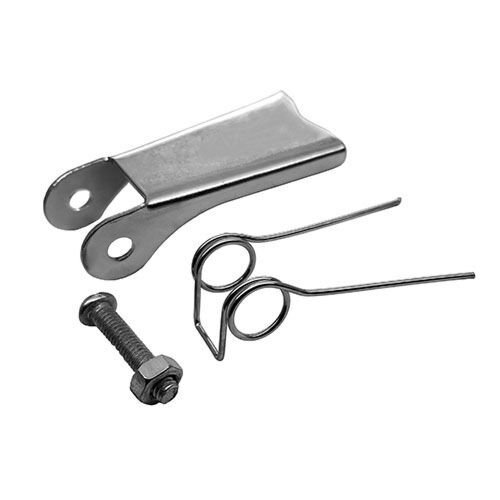
While standard eye slip hooks rely on proper loading to stay secure, latching versions are also available for high-vibration or overhead applications, adding an extra layer of safety with a spring-loaded gate.
Common Applications
- Securing vehicles, machinery, or freight on flatbed trailers.
- Connecting chains to trailer anchor points in logistics and hauling.
- Agricultural equipment transport and field rigging.
- Marine tie-downs and dock operations.
- Construction site material handling and temporary lifting setups.
Safety Best Practices
- Always check the Working Load Limit (WLL) and never exceed it.
- Inspect the hook before each use for cracks, bending, or wear—especially at the throat and eye.
- Ensure the chain is properly seated in the hook before applying full tension.
- Avoid side-loading, which can cause deformation or failure.
- Use latched eye slip hooks when working in dynamic or overhead environments.

Reviews
There are no reviews yet.